On 30 November, the feast of San Andrés, farming families across the north of Tenerife open up a garage or a back room, put out a few tables and pour the year’s new wine. These are guachinches, and the law that governs them is wonderfully strict. They may sell only the owner’s own wine, cook no more than three dishes, and open for at most four months a year. On the opening day there are roast chestnuts and grilled sardines. In the hills above Tacoronte and La Orotava, that is how winter starts.
Most visitors never see any of this. They land at Tenerife South and stay on the sunny strip between Costa Adeje and Los Cristianos, and the island’s green, cloudy, older north passes them by. This winter more of them are coming from further away. Air Canada starts flying to Tenerife South from Toronto on 25 October and from Montreal on 31 October, which it calls “the only non-stop services between North America and the Canary Islands”. A word on the weather: the south is reliably in the low twenties, but on the north coast November highs are nearer 19°C, with a handful of rainy days and a sea at about 22°C. That’s still warm enough to swim, and it’s why the north stays green.
Teide, and what the summit costs now
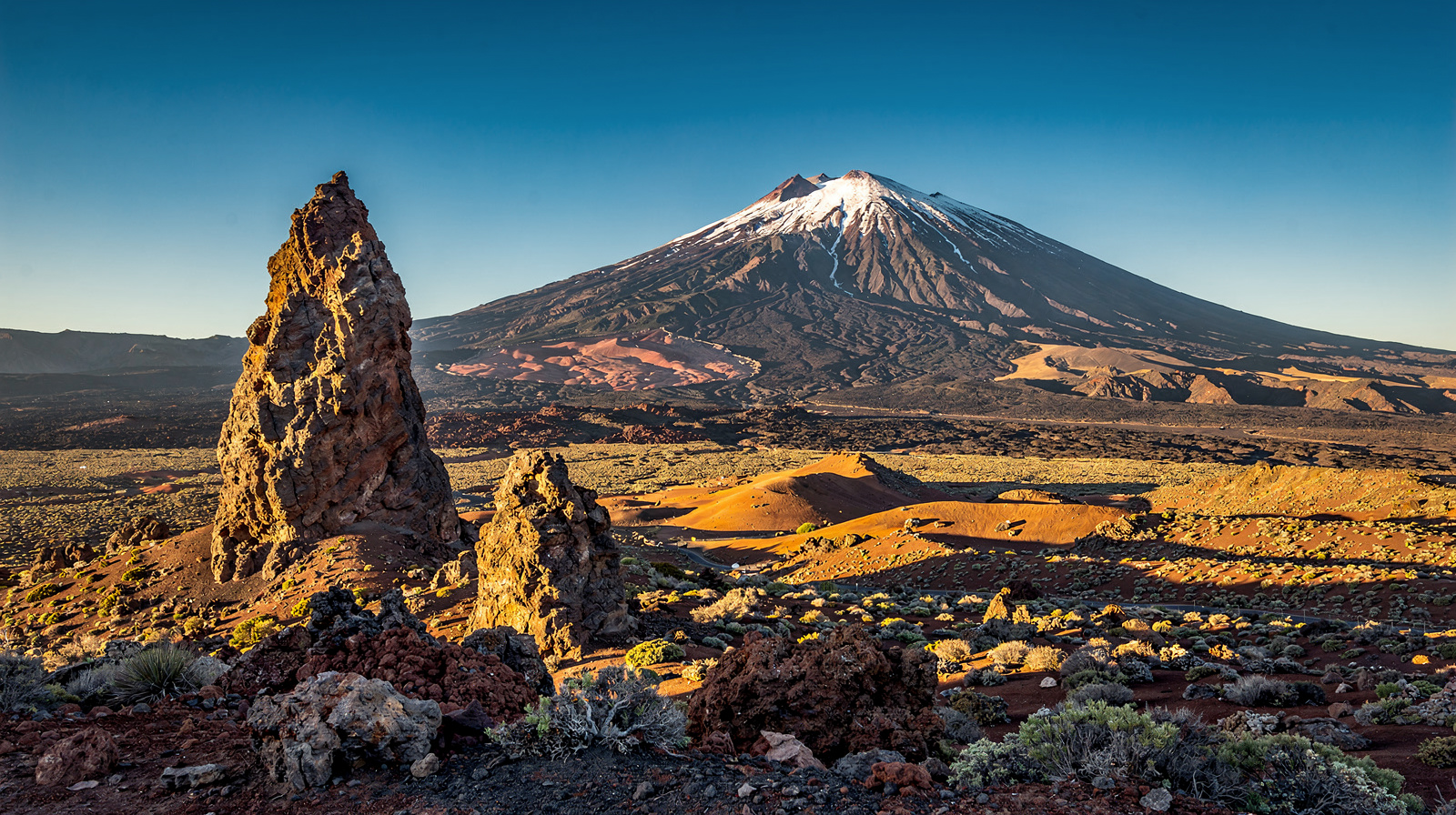
Teide, at about 3,715 metres, is Spain’s highest mountain, and its national park is the most visited in the country. The cable car climbs from 2,356 to 3,555 metres in under eight minutes. From the top station, two short trails lead to viewpoints over La Fortaleza and over Pico Viejo’s crater, and neither needs a permit. The last 160-odd metres to the summit do. Since 19 January 2026, non-residents pay €15 for the Telesforo Bravo trail, number 10. You book on the Tenerife ON website, and the permit is valid between 9am and 5pm. The full climb on foot via Montaña Blanca, trail 7, costs €6 on weekdays and €10 at weekends. Numbers on the summit trail are capped at 300 a day, so book weeks ahead.
Two things the blogs get wrong. Driving into the park is still free; the fee is only for those two trails. And the limits on private cars and the shuttle buses you may have read about are a proposal for 2027, not a rule yet. Winter at that altitude means cold and sometimes snow, and the summit trails close in bad weather. If you want to tour the Teide Observatory, go in November: visits stop from December to March.
Into Anaga’s laurel forest
The Anaga massif at the island’s north-eastern tip is the oldest part of Tenerife, formed seven to nine million years ago, and its ridges are as sharp as that suggests. They’re covered in laurisilva, a damp laurel forest that is often wrapped in cloud. Anaga has been a UNESCO Biosphere Reserve since 2015. The reserve’s own site has trail maps and bus information, and most walks start from the visitor centre at Cruz del Carmen, about 15 minutes’ drive from La Laguna. There’s no booking system yet, though a mobility plan is under discussion, so go early and on a weekday.
On the way you pass through San Cristóbal de La Laguna. Its old centre is a UNESCO World Heritage Site, because its unwalled grid of streets became the model for colonial cities across Latin America. It’s the most beautiful town on the island, and at 543 metres it is noticeably cooler and wetter than the coast, so take a layer.
Lava and salt water at Garachico
In May 1706 an eruption sent lava down onto Garachico, then the island’s most important port, and buried it. Where the lava met the sea it set into the rock pools of El Caletón, where people now swim on calm days. The 1575 Castillo de San Miguel survived, and this guide to Garachico covers the rest of the rebuilt town, including the stone arch of the old port gate. It’s about half an hour’s drive west of Puerto de la Cruz.
Further west, the rules for the Masca gorge have changed. Walking it now means booking a timed slot (from about €40, with a helmet and insurance included), and since December 2025 you can only reach the top by Titsa bus 355 from Santiago del Teide. The descent takes about four hours, and the boat out from the bottom is paid separately.
Guachinche season, and a few tablecloths
From late November the guachinches open up across Tacoronte, El Sauzal, Tegueste and La Orotava. Expect a short menu, the owner’s own wine, and papas arrugadas, small potatoes boiled in salty water until their skins wrinkle, served with red and green mojo. Just above the coast at El Sauzal, the Casa del Vino fills a seventeenth-century hacienda with a free wine museum, bookable tastings across the island’s six wine designations, and a restaurant looking at Teide. For a more polished version of the guachinche, La Bola de Jorge Bosch in Tegueste calls itself a “gastro-guachinche” and holds a Michelin Bib Gourmand. Order the pork cheek braised in its own Listán Negro. It closes on Mondays and Tuesdays. For a big night, El Taller Seve Díaz near Puerto de la Cruz’s Plaza del Charco has a Michelin star and serves tasting menus.
Watch first
One overview of the whole island, and one film on the north-east that most visitors miss:
Top 31 Places to Visit in Tenerife - 2026 Travel Guide with Map
Atlantic Ambience
Anaga | The Magical North East of Tenerife
Freddie Dobbs
Where to wake up
Puerto de la Cruz was the Canaries’ first holiday resort, long before the south was built. It is still a real town, with César Manrique’s Lago Martiánez lido and a botanical garden founded in 1788. In winter, being at sea level matters. From here La Laguna is about 25 minutes away, Garachico half an hour, the guachinche villages twenty minutes, and the Teide cable car about fifty. The Marquesa Hotel is the affordable choice, in a 1712 building with a courtyard in the old quarter. Tigaiga has a family-run feel and gardens on the hill above town, with views to the sea and to Teide. Hotel Botánico is the five-star option, with 25,000 square metres of tropical gardens and an Oriental spa. To spend a night in La Laguna, Hotel Aguere has 22 rooms in a seventeenth-century townhouse opposite the Teatro Leal, with a glass-roofed courtyard café.
From Tenerife South
Tenerife South airport, where the Air Canada flights and most European holiday flights land, is about 97 km from Puerto de la Cruz, which is well over an hour by car. If you can, fly into Tenerife North (Los Rodeos) instead. It’s beside La Laguna and less than half an hour from the north coast. You’ll want a hire car for Teide, Anaga and Garachico, and Titsa buses cover the rest. Prices are in euros, and the island is in the Schengen area.
Six weeks until San Andrés, when the guachinches open and the new wine is poured. The Teide summit permit page, the Masca booking, Anaga’s trail maps, Casa del Vino and a 1712 courtyard hotel in Puerto de la Cruz are all in our Tenerife collection. Save it, and come down from the cold on Teide to a glass of this year’s Listán Negro.
This guide was curated using Epic Itineraries — save links from anywhere on the web, organise them into collections, and turn research into itineraries.